Exploring the Use of Drones in Firefighting
Overview
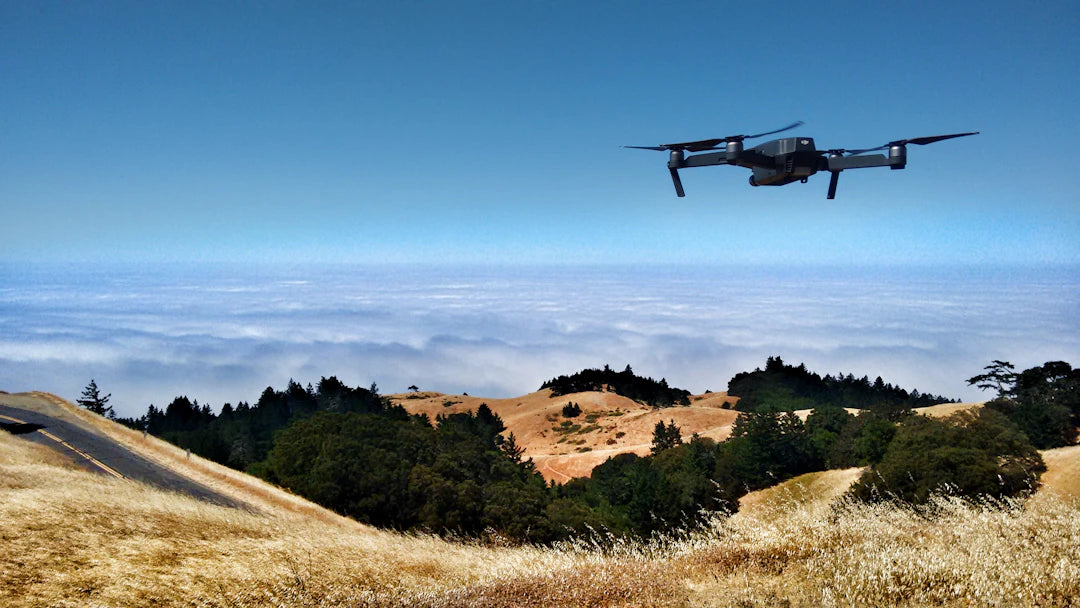
Firefighting is evolving with the integration of drone technology, which enhances operational efficiency and safety. Drones provide critical aerial surveillance, real-time data collection, and access to hard-to-reach areas, allowing firefighters to make informed decisions quickly. As fire departments adopt these tools, they can improve response strategies and better protect communities from fire-related threats.
Table of Contents
- The Rise of Drone Technology in Firefighting
- How Drones Improve Firefighting Operations
- Assessment and Mapping
- Real-Time Video Feed
- Assessing Damage Post-Incident
- Case Studies of Successful Drone Deployments
- Integrating Drones into Firefighting Protocols
- The Future of Drones in Firefighting
- Looking Ahead
- Conclusion: Embracing the Future of Firefighting Technology
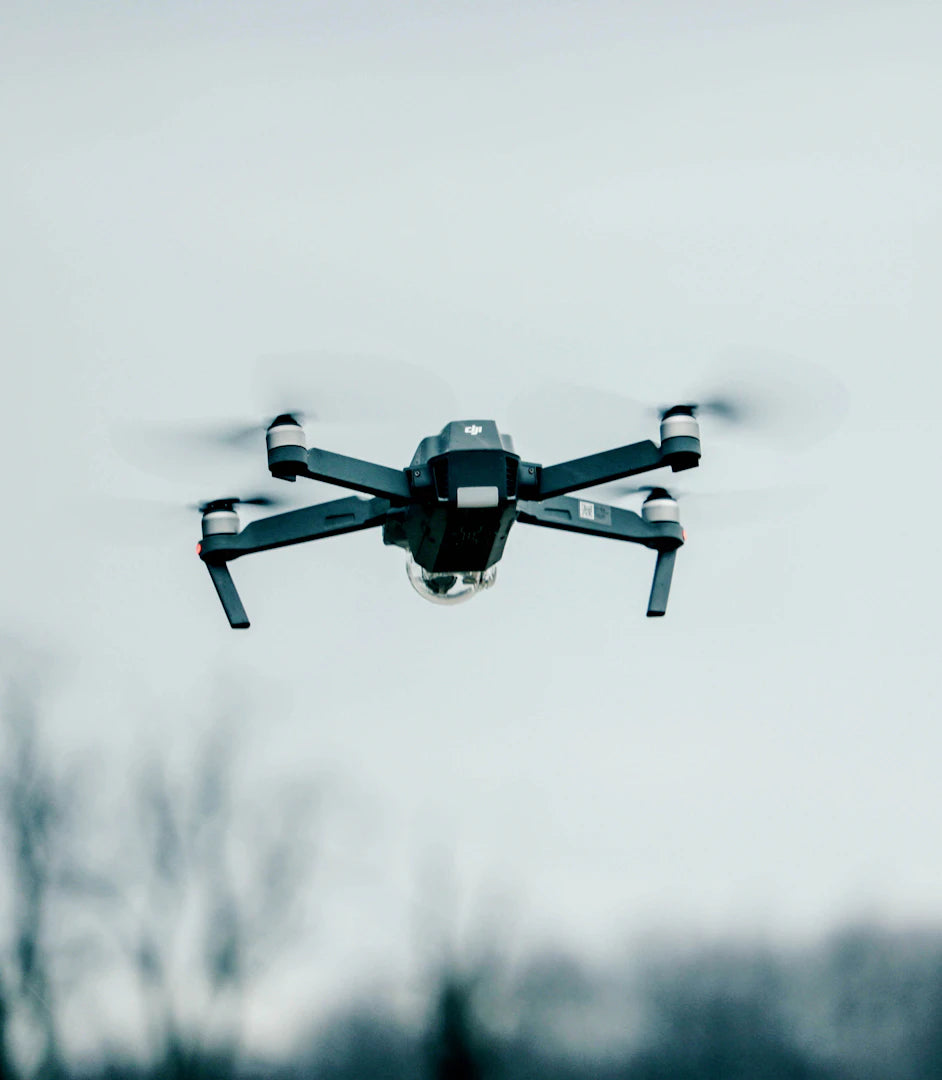
In recent years, the integration of technology in various fields has drastically transformed traditional practices, and firefighting is no exception. Among the most revolutionary advancements is the use of drones for firefighting. This article delves into how drone technology is being utilized to improve firefighting strategies, enhancing operational efficiency and safety.
The Rise of Drone Technology in Firefighting
The application of drone firefighting technology began gaining traction as the need for faster response times and better situational awareness became increasingly apparent. In the wake of devastating wildfires and urban fires, fire departments worldwide have turned to drones for support in tactical planning and response.
Some notable advantages of using drones in firefighting include:
- Enhanced aerial surveillance: Drones provide high-resolution aerial imagery that helps firefighters assess the situation from above.
- Real-time data collection: Equipped with thermal cameras, drones can capture important thermal data that is critical for understanding fire behavior.
- Access to hard-to-reach areas: Drones can easily navigate obstacles, giving them access to areas that might be dangerous or difficult for firefighters.
- Cost-effectiveness: Drones can reduce the need for expensive aircraft and helicopters, saving money for fire departments.
How Drones Improve Firefighting Operations
The integration of drone technology into firefighting operations allows firefighters to make more informed decisions. By utilizing drones, fire departments can improve their strategies in several ways:
Assessment and Mapping
Before addressing a fire, understanding the environment is crucial. Drones equipped with high-definition cameras can provide detailed imagery and data. This allows fire analysts to:
- Generate detailed maps of the affected areas.
- Identify fire spread patterns.
- Determine safe evacuation routes.
Real-Time Video Feed
Providing a live video feed to incident commanders allows for better strategic planning. Firefighters can adjust their tactics on-the-fly based on live data. This real-time video is obtained from drone cameras allowing for:
- Immediate understanding of fire location and intensity.
- Adjustments to resource allocation and deployment.
- Informed predictions of fire spread.
Assessing Damage Post-Incident
After a fire outbreak, drones can be invaluable in assessing damage. They can:
- Provide post-event imaging to evaluate the extent of destruction.
- Assist in investigating the cause of the fire.
- Help in planning reconstruction efforts.
Case Studies of Successful Drone Deployments
There are numerous instances where fire departments have successfully integrated fire department drones into their operations. Here are a couple of notable examples:
| Location | Year | Usage |
|---|---|---|
| California, USA | 2020 | Utilized drones for real-time surveillance during wildfires, leading to faster and safer response times. |
| Sydney, Australia | 2021 | Drones provided thermal imagery that helped locate hotspots during a major bushfire, enhancing firefighting efforts. |
Integrating Drones into Firefighting Protocols
For fire departments looking to integrate drones into their operational protocols, it is essential to consider the following steps:
- Training: Ensure personnel are adequately trained in both drone operations and the tactical usage of aerial data.
- Regulatory Compliance: Understand the local laws regarding drone usage, especially in emergency situations.
- Partnerships: Collaborate with drone manufacturers and tech companies for continued advancements and support.
- Investment: Allocate funds towards purchasing reliable drones, such as those equipped with thermal imaging capabilities for optimal performance.
The Future of Drones in Firefighting
The future of drones in firefighting looks promising. As technology continues to evolve, we can expect even more enhancements in drone capabilities. Innovations such as:
- Improved battery life for extended operational time.
- Advanced sensors for superior data analysis.
- AI integration for predictive analytics.
These advancements will not only enhance the effectiveness of firefighting efforts but also inspire new ways to tackle fire-related challenges. Industries outside of firefighting are also observing these developments and could adopt similar approaches.
Looking Ahead
Moreover, as communities recognize the benefits of drones for firefighting, budgeting for these technologies will likely increase. This shift presents an opportunity for innovations in community engagement, as residents can learn about firefighting technologies and contribute to protective measures in their neighborhoods.
Conclusion: Embracing the Future of Firefighting Technology
The integration of drone firefighting technology into operational protocols reflects a significant leap forward in emergency response capabilities. By improving situational awareness, safety, and effectiveness, drones are changing the landscape of firefighting. As more fire departments adopt these technologies, not only will they improve their response strategies, but they will also promote safer communities. Embracing this technology ensures that we are better prepared for the challenges that lie ahead in the pursuit of firefighting excellence.
Key Takeaways
- Drones enhance aerial surveillance by providing high-resolution imagery, allowing firefighters to assess situations from above.
- Real-time data collection using thermal cameras helps in understanding fire behavior and improving response strategies.
- Drones can access hard-to-reach areas, enabling navigation around obstacles that may pose risks to firefighters.
- Cost-effectiveness of drones reduces the reliance on expensive aircraft, leading to significant savings for fire departments.
- Post-incident assessments using drones provide valuable imaging to evaluate damage and assist in reconstruction planning.
- Training and regulatory compliance are essential for successful integration of drones into firefighting operations.
- The future of drone technology in firefighting includes advancements like improved battery life, advanced sensors, and AI integration for enhanced effectiveness.
Pros and Cons
| Advantages of Drone Technology in Firefighting | Drawbacks of Drone Technology in Firefighting |
|---|---|
| Enhanced aerial surveillance provides critical situational awareness. | Initial investment costs for drones and training can be high. |
| Real-time data collection improves decision-making during emergencies. | Reliance on technology may lead to challenges during technical failures. |
| Access to hard-to-reach areas reduces risk for firefighters. | Regulatory compliance can complicate operational use. |
| Cost-effectiveness by reducing the need for manned aircraft. | Privacy concerns may arise from aerial surveillance capabilities. |
Linked Product

Autel Robotics EVO II 640T Thermal and Visual Gimbal Camera
The Autel Robotics EVO II 640T Thermal and Visual Gimbal Camera is designed to enhance firefighting efforts with its advanced thermal imaging capabilities, featuring ten thermal color palettes and an uncooled Vox microbolometer sensor. It also offers high-resolution visual photography and video options, supporting up to 8K video and various shooting modes to capture critical images during operations. This dual-functionality makes it a valuable tool for assessing fire scenes and improving response strategies.
View ProductWho It's For (And Not For)
Who It's For
- Fire Departments Seeking Innovation: If your fire department is looking to enhance operational efficiency and response times, integrating drones can provide significant advantages.
- Personnel Willing to Train: Those ready to undergo training in drone operations and tactical data usage will find drones to be a valuable asset.
- Budget-Conscious Departments: Fire departments aiming to reduce costs associated with traditional aerial support can benefit from the cost-effectiveness of drones.
- Areas Prone to Wildfires: Departments in regions frequently affected by wildfires will find drones particularly useful for aerial surveillance and real-time data collection.
Who It's Not For
- Departments Lacking Resources: Fire departments with limited budgets or resources may struggle to invest in drone technology and training.
- Personnel Resistant to Change: If your team is not open to adopting new technologies or methods, integrating drones may face significant challenges.
- Areas with Strict Regulations: Departments in regions with stringent drone regulations may find it difficult to utilize drones effectively for firefighting.
- Short-Term Focused Departments: If your department prioritizes immediate solutions over long-term improvements, drone integration may not align with your goals.
Frequently Asked Questions
1. What are the main advantages of using drones in firefighting?
2. How do drones assist in real-time firefighting operations?
3. Can drones be used post-incident, and if so, how?
4. What steps should fire departments take to integrate drones into their operations?
5. What does the future hold for drone technology in firefighting?
Glossary
| Term | Meaning |
|---|---|
| Drone | An unmanned aerial vehicle used for various tasks, including surveillance and data collection. |
| Thermal Imaging | Technology that captures heat signatures to assess fire behavior and locate hotspots. |
| Aerial Surveillance | Monitoring and assessing situations from above using aerial imagery. |
| Real-Time Data | Information collected instantly to inform decision-making during firefighting operations. |
| Operational Efficiency | Improving the effectiveness and speed of firefighting responses through technology. |
| Situational Awareness | Understanding the current conditions and dynamics of a fire incident. |
| Post-Incident Assessment | Evaluating damage and causes after a fire has occurred. |
| Regulatory Compliance | Adhering to local laws and regulations regarding drone usage. |
| Community Engagement | Involving residents in understanding and supporting firefighting technologies. |
| AI Integration | Using artificial intelligence to enhance data analysis and predictive capabilities. |